Complex PT Evaluation in Allendale, NJ.
Still in Pain, Still Unsure, or Still Looking for the Right Next Step?
A focused one-on-one evaluation for persistent or unresolved symptoms when you need more clarity before continuing treatment or pursuing more medical intervention.
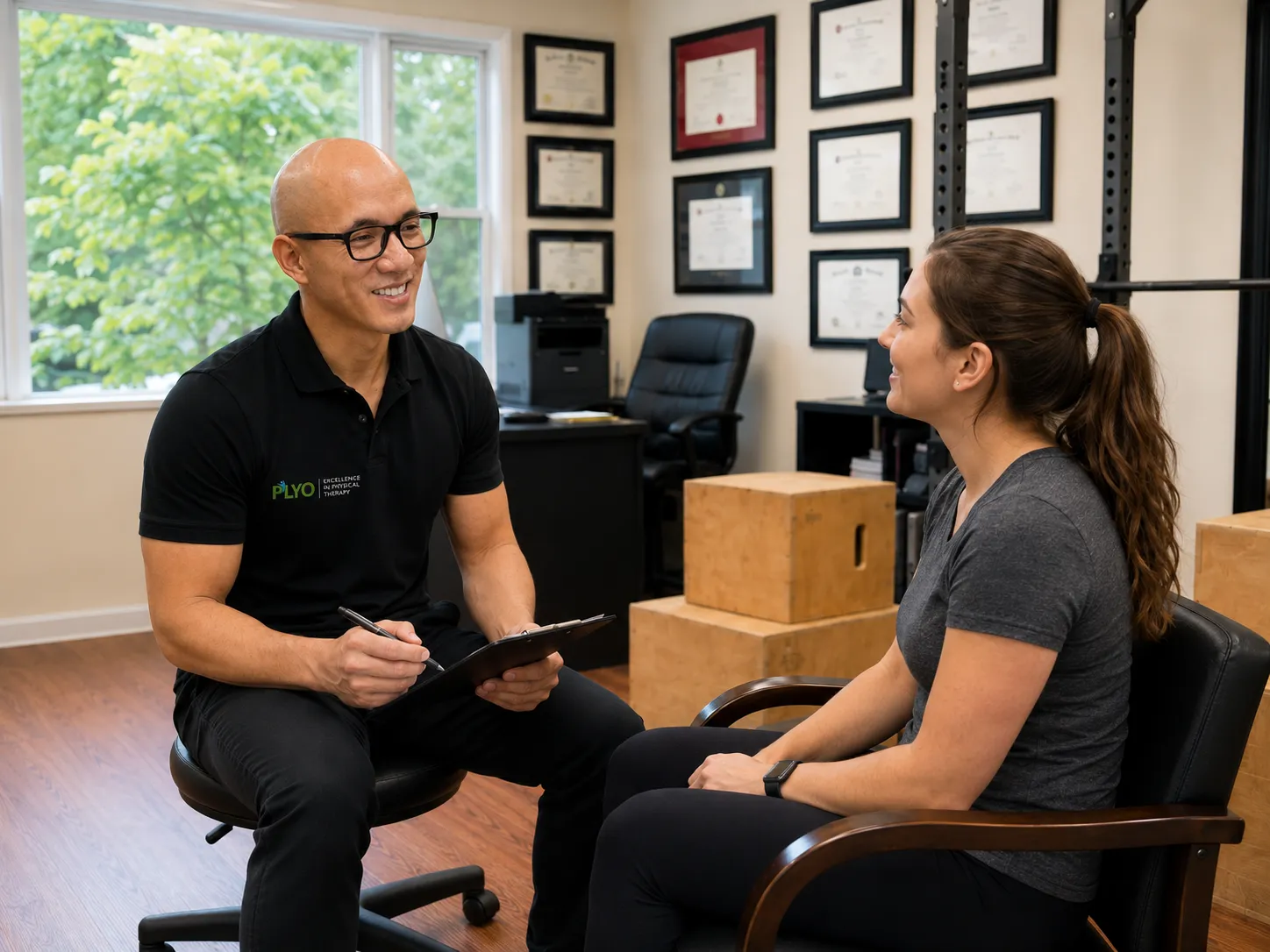
Your evaluation is built around careful listening, movement testing, treatment or modification when appropriate, and retesting based on how your body responds.
This is not simply another PT visit.
It is a focused evaluation designed to help clarify what makes sense next.
Start with clarity before committing to more care.
The goal is to help you get to the right place, not keep you in PT unnecessarily.
Decide
Clear evaluation. Honest guidance. Right next step.
Is Complex PT the Right Starting Point?
General PT is often where rehab begins. Complex PT is for when you’ve tried other treatments without lasting results—and want to see if a different take can help.
Complex PT may be a strong fit if…
General PT may fit better if…
These are examples, not fixed rules. If you’re unsure, we’ll help you choose an appropriate starting point.
How We Approach Complex PT
When the next step isn’t clear, we look at what you’ve already tried, test what’s relevant, and use what we learn to guide your care.
Listen Carefully
We learn what you’ve been through, what has or hasn’t helped, and what matters to you.
Examine What Matters
We check the movements and symptoms most relevant to your problem.
Treat or Modify When Appropriate
We use what we find to guide treatment or make adjustments to how you move and exercise.
Check What Changes
We check whether your symptoms or movement improve, worsen, or stay the same.
Decide the Next Step
Together, we discuss whether more PT, self-management, a different approach, or medical follow-up makes sense.
These steps may be revisited as we learn more.
Your Three-Visit Complex PT Package
Your first visit includes a focused evaluation and treatment when appropriate. Two follow-up visits give us time to see how you respond between appointments, continue or adjust treatment as needed, and help determine what makes sense next.
|
Appointment |
Duration |
Fee |
|---|---|---|
|
Initial evaluation |
90 minutes |
$350 |
|
Follow-up 1 |
60 minutes |
$225 |
|
Follow-up 2 |
60 minutes |
$225 |
|
Total |
3 visits |
$800 |
Three Responses. Three Clear Directions.
We look at how you respond to treatment and use what we find to decide what’s next.
You Respond Quickly
Your symptoms or movement improve early. We discuss how to build on that progress and whether more PT or independent self-management makes sense.
You’re Responding, but Need More Time
You’re showing meaningful signs of improvement, but progress is gradual. We discuss whether continued treatment may help and what to focus on next.
You’re Not Seeing Meaningful Improvement
If you’re not showing meaningful improvement, or your response remains unclear, we reassess the approach and discuss whether different care or medical follow-up makes more sense.
Our goal is to help you make an informed decision — not commit you to more PT.
Private-pay package: $800 total. Payment is generally due after each visit unless another written arrangement applies. We’ll review the financial details with you before care begins. If the package ends early, unused visits are handled according to our written policy.
What Our Advanced Training Means for You
Some problems aren’t easy to sort out. Our advanced training in orthopedic physical therapy and the McKenzie Method (MDT) helps us consider what may be contributing to your symptoms, understand how you respond to care, and recognize when another approach makes more sense.
OCS
FAAOMPT
Dip. MDT
Cert. MDT
CSCS
Dr. Ritchie Kim — PT, DPT, OCS, FAAOMPT, Dip. MDT, CSCS
Dr. Linh Hoang — PT, DPT, OCS, Cert. MDT.
Insurance & Payment
We’ll explain what you’ll pay and how insurance may work before your first visit.
Your Complex PT Package
The three-visit package costs $800 total, as shown above. Payment is generally due after each visit unless another written arrangement applies. We’ll review cancellation and unused-visit terms with you before care begins.
Commercial Insurance & Superbills
PLYO is out of network with most commercial insurance plans. We’ll provide a superbill after each visit that you can submit for possible reimbursement.
What you get back depends on your insurance plan, and reimbursement isn’t guaranteed. You’re responsible for the agreed package fees even if your insurance doesn’t pay.
FAQ: Common Questions.
PLYO Physical Therapy
115 W Allendale Ave, Suite 1, Allendale, NJ 07401
Ready for a Clearer Next Step?
You do not have to know the answer before reaching out. The purpose of the evaluation is to help clarify the most appropriate next step.